


Table of Contents
Healthy treats for dogs are a key part of keeping your pet happy, active, and well-nourished. Every devoted pet owner wants their dog to live a long and vibrant life—and nutrition plays a crucial role.
Homemade or store-bought healthy dog treats can provide a nutritious boost while satisfying your companion’s desire for a reward. This guide explores how to select, make, and serve the best healthy dog treats for optimal canine health.
Understanding Dog Nutrition and the Role of Treats
Every dog breed shares a fundamental need for balanced nutrition, yet the way each dog metabolizes nutrients can vary widely based on genetics, age, activity level, and health status.
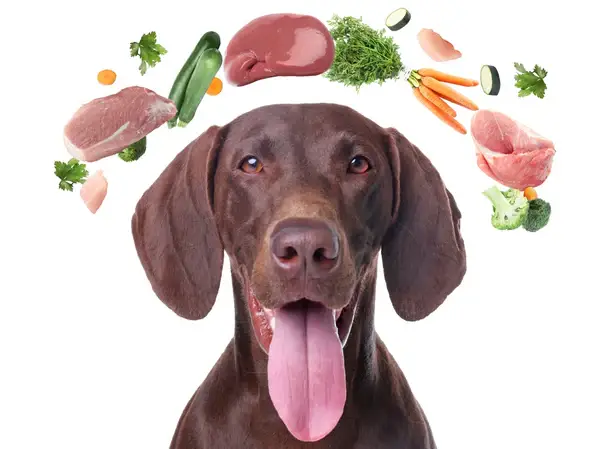
Scientific research confirms that, while dogs are descendants of carnivores, they have evolved alongside humans to efficiently digest not only animal proteins but also certain starches and plant-based foods.
Protein remains essential for muscle maintenance, hormones, and immune function; high-quality fats supply energy and aid vitamin absorption, while carefully chosen carbohydrates can provide sustained energy. Vitamins and minerals support everything from bone health to neural function, making their inclusion in a canine diet equally important.
When incorporated mindfully, treats become more than mere rewards—they can serve as an effective supplement to your dog’s overall nutritional needs. Selecting the right treats can help bridge dietary gaps, particularly for dogs with picky appetites or special needs. For example, treats fortified with glucosamine may support joint health in senior dogs, while high-protein options can benefit active breeds or working dogs.
Puppies, whose growing bodies require increased nutrients, may benefit from treats rich in calcium and phosphorus in controlled amounts.
However, treats must be factored into daily caloric intake to prevent unwanted weight gain, especially for less active or small-breed dogs.
Treat frequency and portion size should always reflect your dog’s unique requirements. A Labrador Retriever’s needs will differ dramatically from those of a Chihuahua, and the same is true for an energetic adolescent compared to a sedentary senior.
Prioritizing treats with clear labeling of protein, fat, carbohydrate, vitamin, and mineral content ensures you’re making informed choices.
Consulting your veterinarian for tailored recommendations is especially crucial for dogs with allergies or medical conditions. By viewing treats as a potential nutrient boost rather than just a fun indulgence, you can turn every reward into an investment in your dog’s long-term wellbeing.
What Defines a Healthy Dog Treat
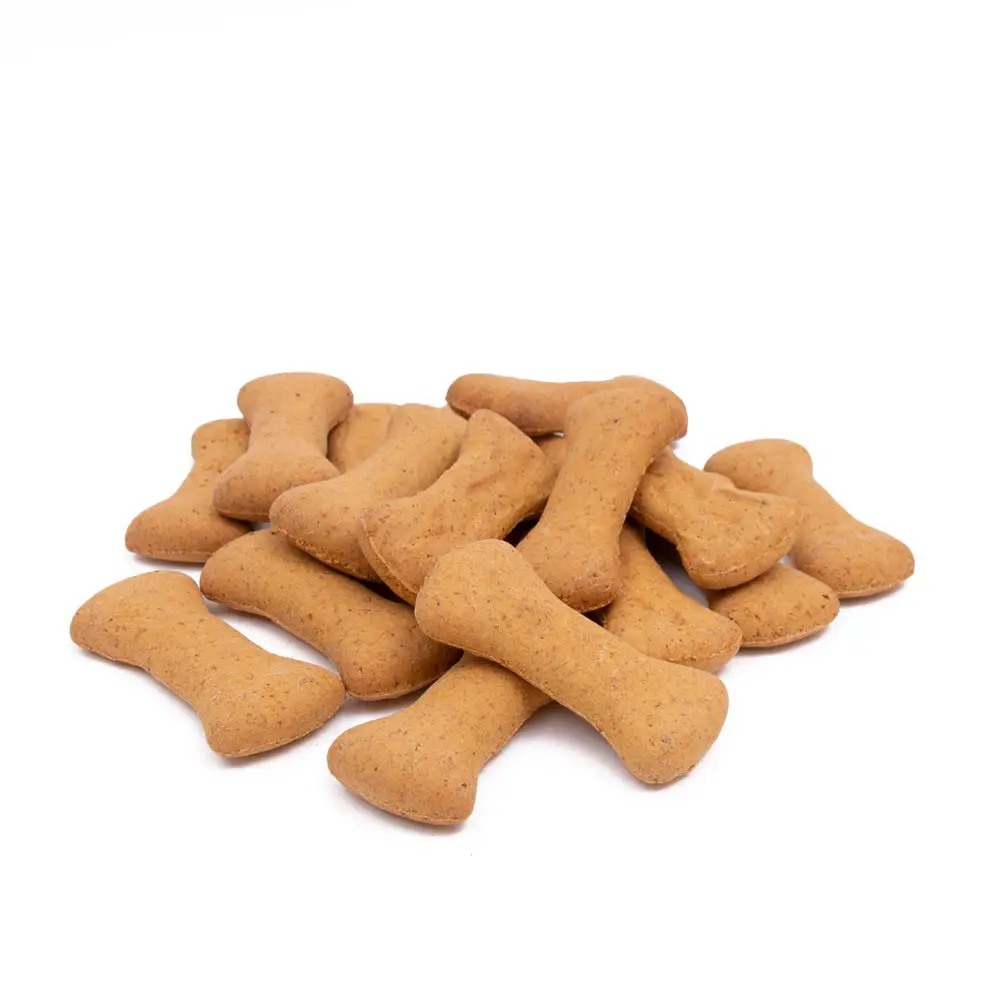
What truly defines a healthy dog treat lies in careful ingredient selection and formulation, setting superior options apart from less nutritious choices. Key features include transparency in ingredient sourcing and a clear, understandable label listing real, recognizable foods.
Healthy treats avoid artificial colors, flavors, and preservatives, focusing instead on natural wholesomeness. Excessive sugars, salts, and unhealthy fats—common in many commercially available snacks—should be strictly minimized, as these can contribute to weight gain, poor dental health, and systemic issues over time.
Limited-ingredient treats have earned popularity for both their simplicity and suitability for sensitive dogs or those prone to allergies.
By minimizing the number of components, these treats reduce the risk of adverse reactions and gut discomfort. Ingredients such as sweet potatoes, lean meats (like turkey or chicken), pumpkin, carrots, blueberries, and apples (without seeds) deliver vitamins, dietary fiber, antioxidants, and lean protein to support your dog’s health. Likewise, whole oats or brown rice can offer gentle sources of digestible carbohydrates.
When choosing or crafting healthy treats, certain foods must be strictly avoided due to canine toxicity or digestive harm. Harmful ingredients include chocolate, grapes and raisins, onions, garlic, avocado, xylitol, macadamia nuts, and excessive amounts of cheese or fatty processed meats.
Artificial sweeteners, even those labeled “natural,” and unnecessary fillers like corn syrup or rendered animal by-products, are best omitted to protect your dog’s wellbeing.
By seeking out options rich in single-source proteins, real fruits and vegetables, and wholesome grains—while avoiding chemicals and unsafe foods—you set the stage for positive reinforcement that’s not only delicious but truly supports your canine’s overall health.
This thoughtful approach to treat selection ensures that every bite, whether store-bought or homemade, contributes constructively to your companion’s nutritional needs.
Homemade Healthy Dog Treats Advantages and Tips
Homemade healthy dog treats offer a uniquely rewarding way to support your dog’s health while catering precisely to their needs.
A key benefit is complete ingredient control: by preparing treats at home, you can select only the freshest and safest elements, avoiding hidden additives or preservatives often found in store-bought options. This is especially helpful for dogs prone to allergies or sensitive stomachs, since you can easily omit known allergens or troublesome ingredients, and tailor recipes to account for individual dietary restrictions, such as grain-free, low-fat, or limited-protein needs.
Making your own treats can also be cost-effective, especially if you use leftovers or seasonal produce.
You might find that a batch of homemade treats stretches further than premium store-bought ribbons, all while giving peace of mind regarding quality and nutrition.
To safely prepare dog treats, always confirm that each ingredient is non-toxic to dogs—never use chocolate, xylitol, grapes, raisins, onions, garlic, macadamia nuts, or artificial sweeteners. Opt for simple, whole foods like lean meats, eggs, pumpkin, carrots, or oats.
Using minimal preparation methods, such as mixing, baking, or even dehydrating, you can create wholesome treats without sophisticated equipment. For example, blend mashed sweet potatoes with oat flour and bake as bite-sized cookies, or freeze cubes of pureed pumpkin for a cool summer snack. To preserve freshness, store treats in airtight containers; refrigerate or freeze if you won’t use them within a few days, as homemade treats lack preservatives.
Homemade options are endlessly customizable. You can experiment with recipes, shapes, and portion sizes to suit your dog’s training needs or caloric requirements. Whether you’re managing weight, allergies, or taste preferences, crafting treats at home ensures both satisfaction and safety, putting your dog’s wellbeing in your hands.
Best Commercial Healthy Dog Treats
Choosing the best commercial healthy dog treats involves more than just seeking convenience—it requires a discerning eye for ingredient quality, transparency, and overall nutritional value. When browsing shelves or online selections, prioritize brands that pride themselves on sustainable sourcing, including those using human-grade meats or single-source proteins and responsibly harvested ingredients. For dogs with sensitivities or allergies, look for grain-free or limited-ingredient treats, ensuring they still offer balanced nutrition rather than simply removing grains as a marketing ploy.
Scrutinize ingredient lists: a reputable treat should list real animal proteins or wholesome vegetables as the first ingredient, steering clear of unnecessary fillers like artificial colors, byproducts, sugars, and excessive salt. Pay attention to recognizable components—if the list reads like a chemistry textbook, it’s better left behind. Brands such as Zuke’s, The Honest Kitchen, and Blue Buffalo are widely recognized for their commitment to transparency and natural ingredients.
Navigating marketing claims is crucial. Terms like “natural,” “organic,” or “holistic” aren’t always regulated, so always corroborate such claims by reviewing the actual ingredient composition and looking for certifications from trusted third-party organizations.
The biggest advantage of commercial treats is their reliability and convenience—busy owners or those with limited kitchen space can provide their dogs with nutritious, controlled-portion rewards without sacrificing quality. Still, commercial options are not as customizable as homemade treats when it comes to managing specific health needs or severe allergies.
Ultimately, the decision between homemade and store-bought boils down to your lifestyle, your dog’s specific requirements, and how much control you want over ingredients. In many cases, a blend of both—using trustworthy commercial treats when time-pressed and homemade batches for special occasions—supports variety and overall wellbeing for your canine companion.
A Step-by-Step Healthy Dog Treats Recipe
For a delicious and balanced homemade dog treat that is both vet-approved and easy to prepare, gather the following ingredients: 1 cup of oat flour (as a gentle, whole-grain base), 1/2 cup pure pumpkin puree (excellent source of fiber and vitamin A), 1/4 cup unsweetened applesauce (which offers natural sweetness and vitamin C), one egg (provides high-quality protein and biotin), and 1-2 tablespoons of natural peanut butter (for flavor and healthy fats—ensure it’s xylitol-free).
Begin by preheating your oven to 350°F (175°C). In a mixing bowl, combine the oat flour, pumpkin, applesauce, and peanut butter until incorporated. Add the egg and mix until a thick dough forms. If your dog is sensitive to grains or has an allergy, substitute chickpea flour or coconut flour for the oat flour. For those avoiding eggs, a “flax egg” (1 tablespoon ground flaxseed and 2.5 tablespoons water) works as a plant-based binder.
Roll the dough on a lightly floured surface to 1/4-inch thickness. Use cookie cutters to create fun shapes, or simply slice into bite-sized pieces suited for your dog’s size. Place the treats on a parchment-lined baking sheet and bake for 18-22 minutes until firm and golden. Let cool before serving.
All ingredients bring nutritional benefits: oat flour aids digestion; pumpkin soothes sensitive stomachs and supports vision; applesauce supplies antioxidants; egg assists muscle maintenance; and peanut butter delivers protein and healthy fats for skin and coat.
Portion control is key: offer small treats (about a dime-sized piece) to dogs under 20 lbs, medium coins for 20-50 lbs, and larger pieces for heavier breeds, adjusting frequency based on daily activity level.
For puppies needing softer treats, bake a few minutes less for a chewier texture. For seniors or dogs with dental issues, add a splash of water or bone broth to the dough for easy chewing. Feel free to mix in finely shredded carrot or a pinch of turmeric for added health benefits, always checking with your veterinarian regarding potential dietary sensitivities.
Conclusions
Nourishing your dog with healthy treats—whether homemade or carefully chosen store-bought varieties—supports their wellbeing and strengthens the bond you share. By making informed decisions about ingredients, portion sizes, and preparation, you can delight your dog while promoting lifelong vitality. Explore, create, and enjoy offering treats that truly contribute to your dog’s health and happiness.
For more helpful pet advice, tips, and product reviews, explore our full collection of articles on our HomeCritiQue Blog